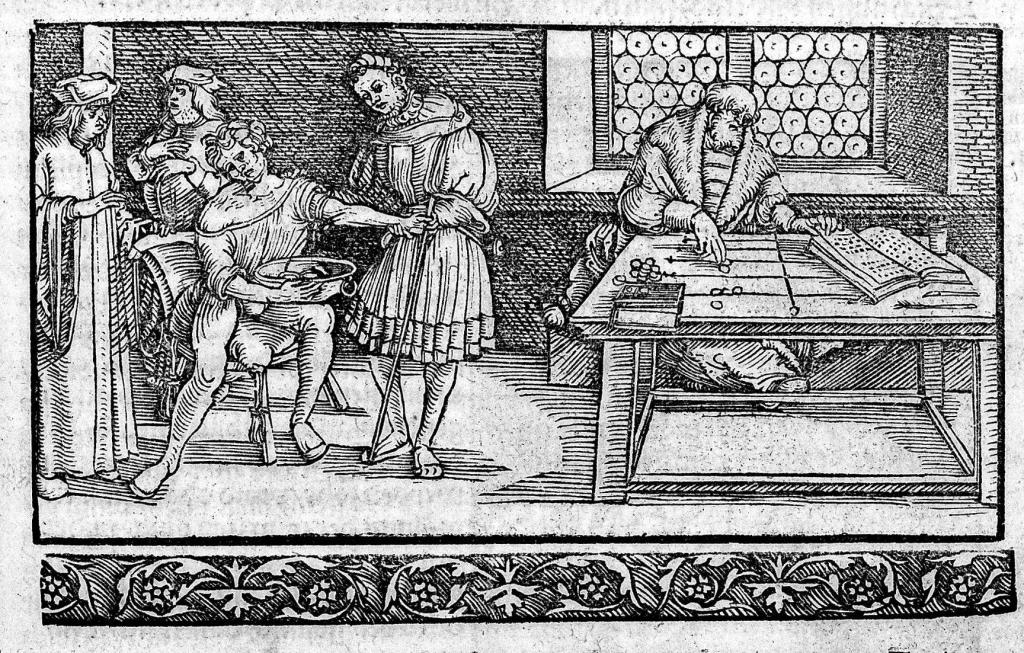
Imagine being extremely ill and believing the only way to survive was to let out nearly half of your blood. That was George Washington’s fate in December 1799.
George Washington died on December 14, 1799, following a brief but severe throat infection. In the hours leading up to his death, his physicians followed humoral medical practices, removing around 40% of his blood.
I used to be very judgmental toward historical medicine. What do you mean “bad air” made you sick, or that bleeding someone would balance their fluids and cure illness? But my professors encouraged us to look at it from a different perspective. At the time, this was the best medical understanding available. Physicians did not have the same scientific resources or knowledge that we have today. Thinking about it this way sparked a deeper sense of curiosity for me and encouraged me to explore historical events more thoughtfully.
Before discussing George Washington and his final illness, it is important to understand humoral theory because people did not understand disease the way we do now. Humoral theory originated in ancient Greece and suggested that health depended on the balance of bodily fluids. The theory was that the body contained four primary fluids: black bile, yellow bile, phlegm, and blood. When these fluids were in balance, a person was considered healthy. When they became imbalanced, illness was believed to occur. It makes sense that George Washington would attempt to treat himself through bloodletting. He believed he would be removing what was thought to be excess blood in order to restore balance.
When George Washington fell ill with what his physicians described as an inflammatory condition of the upper part of the windpipe, he found a “bleeder” in the neighborhood before the physicians could even arrive. In the late eighteenth century, restoring bodily balance meant physically removing blood from the body. Physicians would open a vein using a sharp instrument, allowing blood to flow out to reduce inflammation and correct what was believed to be an excess of fluid. Washington initiated bloodletting in hopes of improving his condition.
One of the things I find most interesting is that the physicians who took part later published an article explaining exactly what happened, and they made sure to mention that Washington requested the first bleeding himself. It almost feels like they wanted the readers to know that this was not something that was forced on him. It was considered appropriate treatment and he requested it.
Some of these historical practices may seem misguided or brutal, but it’s a reflection of what the physicians understood at the time. It’s really interesting to compare these practices to modern medicine, especially considering the advanced research and scientific tools we have today.
One of the questions that keeps coming to mind is whether the repeated bloodlettings may have accelerated his decline and contributed to his death.
Sources:
- Tobias Lear, Account of the Illness and Death of George Washington (1799)
Questions or thoughts?

 Archives Headquarters